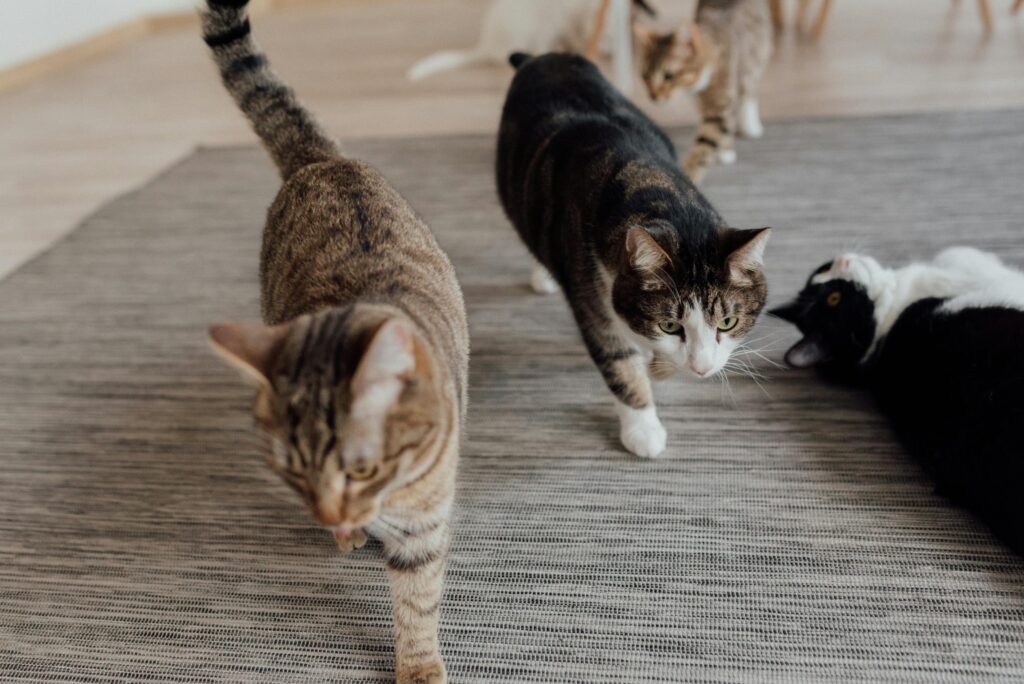

Many people assume cats are naturally independent and distant. They think that as long as they provide food, water, and a comfortable home, their cat will automatically become attached to them.
But building a strong bond with a cat takes more than just meeting their basic needs.
A cat’s trust is shaped by their early experiences, daily interactions, and the sense of safety they feel around you.
If you want your cat to become more affectionate and comfortable with you, focus on these three important areas.
Socialize Your Kitten Early and Help Them Feel Comfortable Around People
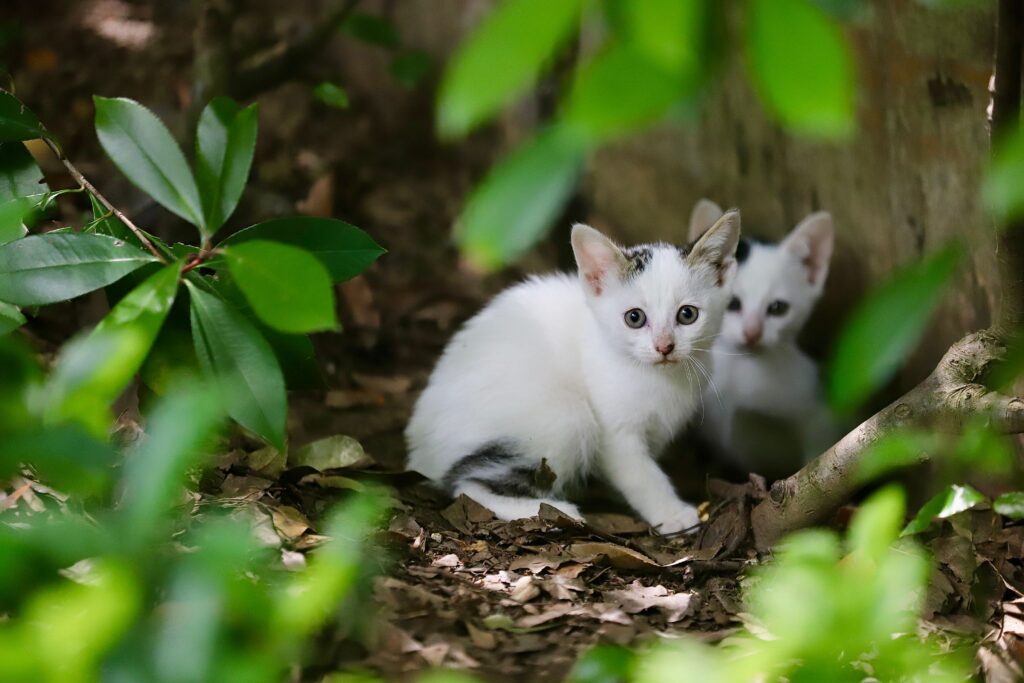
The early weeks of a kitten’s life play a major role in shaping how they respond to people and new experiences.
Around 3 to 9 weeks of age is considered an important socialization period. During this time, kittens are learning what is safe, normal, and familiar.
Gentle handling during this stage can help your kitten become more comfortable with everyday care, including:
- Gently touching their head, ears, and paws;
- Slowly getting them used to being picked up;
- Helping them become familiar with routine handling for grooming and veterinary visits.
These positive experiences can make your cat less fearful of being touched as they grow older.
Later in life, tasks like brushing their coat, cleaning their face, trimming their nails, or checking their ears may become much easier.
However, socialization is not about forcing your kitten to tolerate everything. The goal is to help them build confidence and trust through calm, positive experiences.
Build Trust Through Gentle, Positive Interaction

Not every cat enjoys being held or cuddled right away, and that’s completely normal.
Cats are naturally independent animals. They need time to learn that human touch is safe and that being close to you leads to positive experiences.
To strengthen your bond, try these simple habits:
- Spend a little quality time with your cat every day;
- Pet areas they enjoy, such as the forehead, cheeks, or under the chin;
- Respond positively when your cat chooses to come near you;
- Use treats or praise to create positive associations.
If your cat tries to leave during interaction, don’t force them to stay. Respecting their boundaries actually helps build trust.
Over time, your cat will learn:
“Being around my person feels safe and enjoyable.”
And when a cat feels safe, they are much more likely to seek out affection on their own.
Create a Routine That Matches Your Cat’s Natural Rhythm
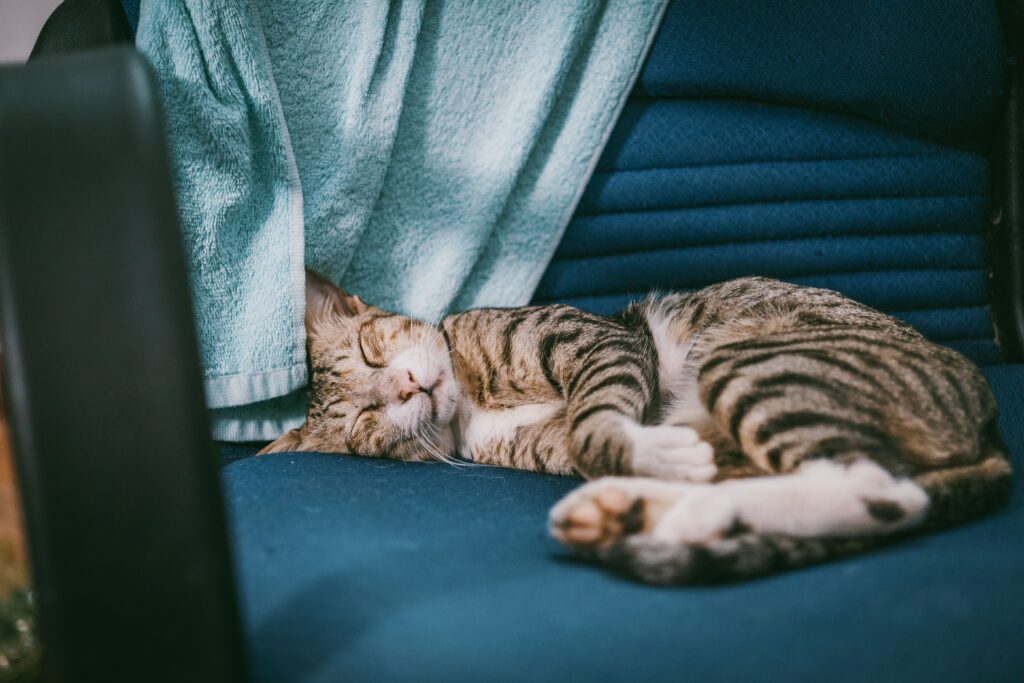
Cats are naturally most active around dawn and dusk. This is when they often feel the strongest urge to explore, hunt, and play.
If your cat frequently wakes you up at night, runs around the house, or meows for attention, they may simply have too much energy or have learned that nighttime is a good time to get your attention.
A consistent routine can help.
About 90 Minutes Before Bed: Play With Your Cat
Use interactive toys, such as a wand toy or feather teaser, to encourage movement and play.
Regular exercise helps satisfy your cat’s natural hunting instincts and can help them relax afterward.
About 60 Minutes Before Bed: Offer a Meal
Many cats naturally follow a pattern of:
Play → Eat → Groom → Rest
Feeding your cat after playtime can help create a predictable bedtime routine.
If your cat wakes you up during the night, try not to immediately reward the behavior with food or attention.
Otherwise, your cat may learn:
“Waking my owner = getting food or playtime.”
Over time, this can turn into a habit.
A Trusting Cat Is Built Through Time and Positive Experiences
A friendly, affectionate cat is not always born that way. Many cats become more loving because they learn that their humans are safe, predictable, and kind.
From early socialization to daily interaction and consistent routines, every positive experience helps strengthen the bond between you and your cat.
The key is not to force your cat to love you.
Instead, create an environment where your cat learns:
Being with you feels safe, comfortable, and rewarding.
Pet Manufacturer News: https://telegra.ph/KUDI-Partners-with-APA-Institute-for-the-2026-Pet-Owner-Lifestyle-Survey-07-08