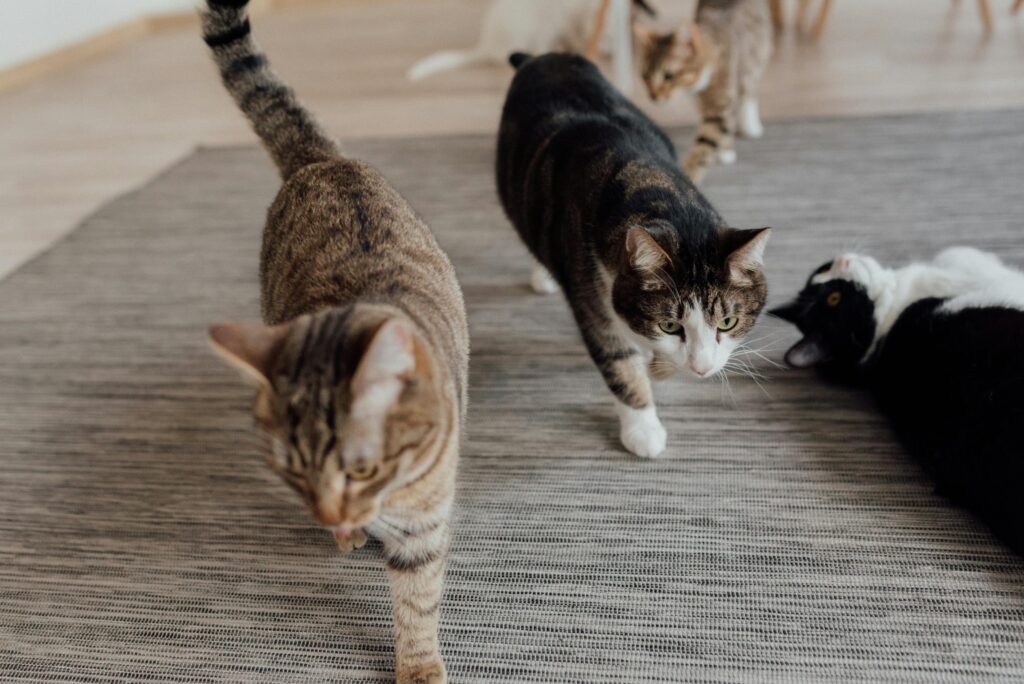

“Wait—can a silly little cat really feel insecure?”
Absolutely. Cats may have a reputation for being independent and hard to read, but they are sensitive animals that respond to changes in their surroundings, routines, and relationships. When a cat does not feel safe or comfortable, you may notice changes in the way it moves, sleeps, hides, interacts, or reacts to everyday situations.
So, what does an insecure or stressed cat actually look like?
There is no single behavior that proves a cat feels unsafe. Some cats become withdrawn, while others become tense, defensive, or unusually clingy. The key is to look for patterns and changes in your cat’s normal behavior.
Here are some signs that may suggest your cat needs more security and a calmer environment.
1. Your Cat Seems to Hide More Than Usual
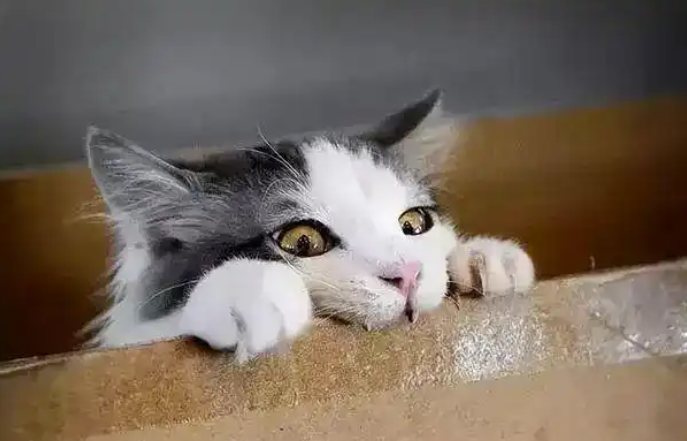
“Isn’t hiding just something cats do? They love curling up in random corners and playing hide-and-seek, right?”
Yes—but there is a difference between enjoying a quiet hiding spot and constantly retreating because the world feels overwhelming.
Most cats appreciate having somewhere private to relax. A cat may disappear under the bed for an afternoon simply because it wants some uninterrupted sleep. That is perfectly normal.
However, if your normally social cat suddenly starts hiding for long periods, avoids family members, or spends most of its time in places where it cannot be easily approached, something may be bothering it.
Changes in the home can trigger this behavior. A new pet, unfamiliar visitors, loud construction, a move, or even a major change in routine can make some cats feel less secure.
Personality matters, too. Some cats are naturally cautious around strangers, while others will walk straight up to a visitor as if they own the place.
The important thing is to notice what is normal for your cat and what has changed.
2. Your Cat Often Looks Tense or Defensive
A cat that does not feel safe may spend a lot of time on alert.
You might notice its body becoming stiff, its ears flattening or turning sideways, or its pupils becoming large. Some cats crouch low to the ground, tuck their body in tightly, or position themselves so they can quickly escape if necessary.
A frightened cat may also hiss, growl, swat, or show other defensive behaviors.
One tense moment does not necessarily mean your cat is insecure. Cats can become startled by a loud noise or unexpected movement and return to normal a few minutes later.
The bigger concern is when your cat regularly looks tense or reacts strongly to ordinary events. That may be a sign that something in its environment is making it feel threatened or uncomfortable.
3. Your Cat Changes Its Sleeping Habits
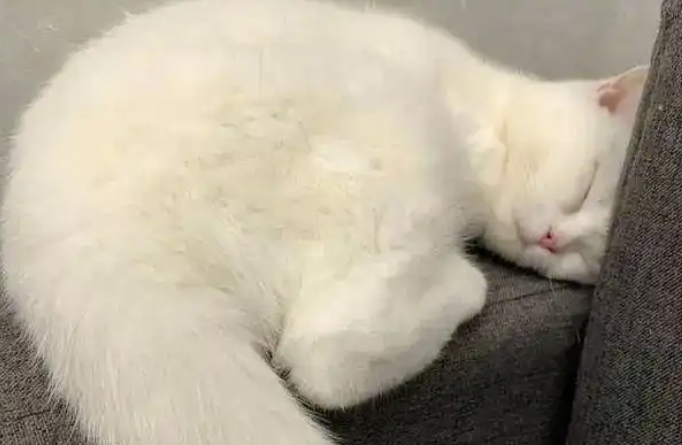
Cats spend a lot of time sleeping, so their resting habits can sometimes give you useful clues.
You may see your cat sleeping in all kinds of ridiculous positions—curled into a tiny ball, stretched across the couch, tucked into a cardboard box, or sprawled across the floor.
A relaxed cat may sleep in an open area or stretch out comfortably. But that does not mean every cat that curls up tightly is feeling insecure.
In fact, curling up is a completely normal sleeping position for cats. Some cats simply prefer to sleep that way.
Instead of judging your cat’s emotional state from one sleeping position, look at the bigger picture. Does your cat suddenly stop sleeping in its usual favorite spots? Does it hide to sleep all day? Does it seem unable to relax when people or other pets are nearby?
A noticeable change in where or how your cat rests may be more meaningful than the position itself.
4. Your Cat Becomes Extremely Clingy—or Suddenly Withdrawn
Not every insecure cat hides.
Some cats respond to stress in the opposite way and become unusually attached to their favorite person. Your cat may follow you from room to room, constantly seek attention, or become upset when you close a door between you.
Other cats may become much less social. A cat that normally enjoys sitting beside you might suddenly avoid being touched or leave the room whenever someone approaches.
These changes can happen for many reasons, including stress, changes in routine, fear, or discomfort.
The important clue is a sudden or persistent change from your cat’s usual personality.
5. Your Cat Seems Anxious When You Leave
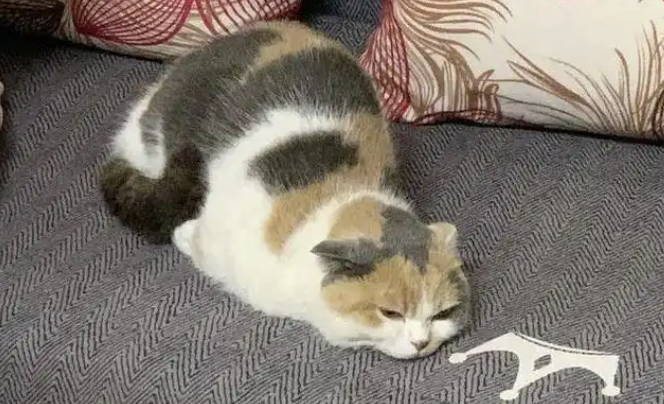
Some cats become stressed when their favorite person leaves the house.
You might notice excessive vocalization, destructive behavior, inappropriate urination, excessive grooming, or other unusual behaviors after you leave. These can sometimes be associated with separation-related distress.
However, not every cat that knocks something off a table while you’re gone has separation anxiety. Cats may also become restless because they are bored, under-stimulated, hungry, or reacting to changes in their environment.
If the behavior happens repeatedly and mainly when your cat is left alone, it is worth paying closer attention to the pattern.
A camera can sometimes help you see what your cat actually does after you leave rather than guessing based on what you find when you return.
6. Your Cat Suddenly Bites or Swats
A gentle nip during play is not automatically a sign that your cat feels insecure. Cats naturally use their mouths and paws during play, and some are simply more mouthy than others.
But sudden, intense biting or swatting can be a sign that your cat is frightened, overstimulated, frustrated, or uncomfortable.
For example, some cats tolerate petting for a while and then suddenly swat when they have had enough. You may notice warning signs first, such as a twitching tail, flattened ears, tense posture, or rapidly changing facial expressions.
When you see these signals, stop the interaction and give your cat some space.
Rather than punishing the behavior, try to understand what happened immediately beforehand. Learning your cat’s warning signs can help prevent small moments of discomfort from turning into bigger conflicts.
How Can You Help Your Cat Feel Safer?
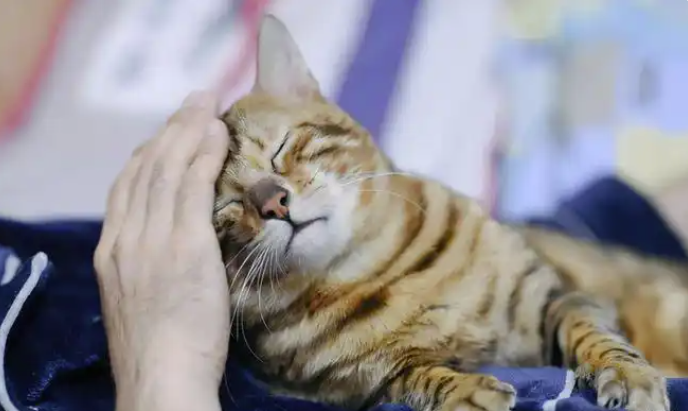
The best way to help an insecure cat is to make its environment predictable, comfortable, and easy to navigate.
Start by giving your cat places where it can retreat when it wants some peace and quiet. A covered bed, cat tree, shelf, or other elevated perch can give your cat a place to observe the room without feeling exposed.
Try to keep important parts of your cat’s routine consistent. Regular feeding times, familiar sleeping areas, and predictable interactions can make daily life feel less chaotic.
Play is important, too. Short, regular play sessions can give your cat an appropriate outlet for its natural hunting instincts while also creating positive interactions with you.
Most importantly, let your cat choose when to interact. Avoid forcing it out of hiding, chasing it around the house, or deliberately startling it for fun. What looks like a harmless prank to a person can be genuinely frightening to a cat.
And remember: one behavior rarely tells the whole story. Pay attention to your cat’s ears, eyes, tail, posture, vocalizations, and daily habits together.
If your cat suddenly becomes much more fearful, withdrawn, aggressive, or changes its eating, litter-box, or grooming habits, don’t assume it is simply feeling insecure. Sudden behavior changes can also be associated with pain or other health problems, so a conversation with your veterinarian may be appropriate.
The more closely you learn your cat’s normal behavior, the easier it becomes to notice when something is different—and the better you can help your feline companion feel safe at home.